

The holiday season is the biggest opportunity of the year for e-commerce brands, but also the most competitive. Brands that prepare with a strong holiday PPC strategy have a plan to build awareness early, capture demand during their promotions, and manage spending wisely to maximize their return. Last year, we went through our top best practices to win the holiday season. That is still the go-to guide for e-commerce holiday basics.
But a lot has happened in the world of e-commerce PPC over the past 12 months. That’s why we’re giving you the top updates for 2026 that can make a big impact on your holiday strategy. Each update moves your digital strategy closer to excellence, and together they ensure your business has a happy holiday season.
Prep Your Product Feed for Conversational Searches
A thorough feed review is one of the most useful things you can do before the holiday season. In 2025, we discussed how missing or inaccurate details can keep shoppers from finding your products, regardless of how well you’ve planned your campaign.
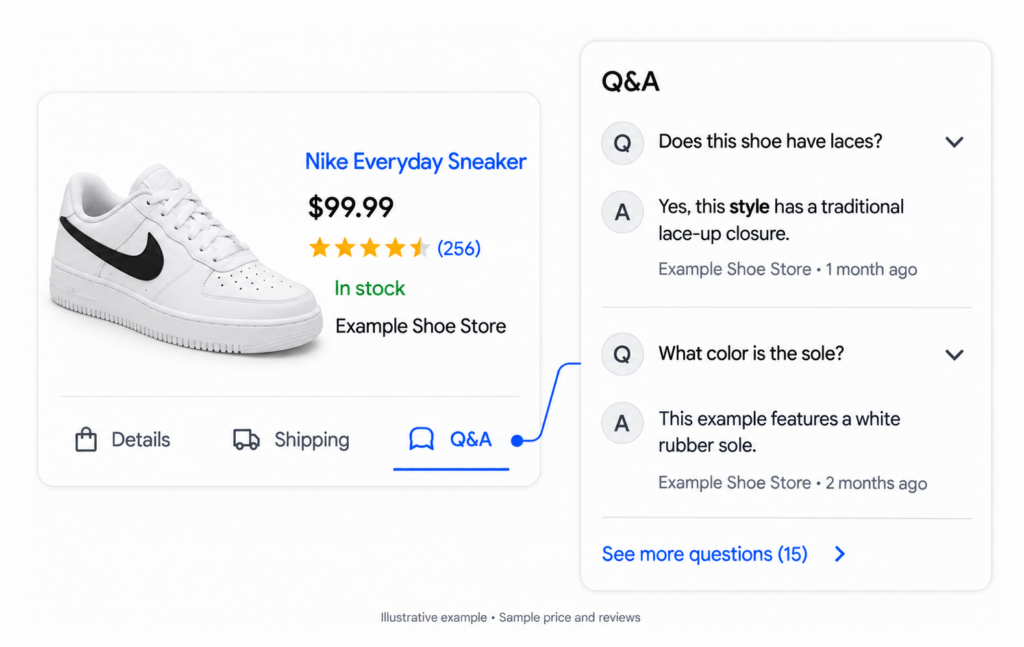
For 2026, making your feed conversational search-ready is the hot topic. People are searching in new ways because of AI, and conversational searches are matching people with products in new ways, too. So how do we adjust as marketers? Including answers to the questions your customers are asking within your product listings is your best bet. You can do this in places like your product description, a Q&A section, an attached PDF, or in a product highlights section.
Ask what questions or features people are asking Google (Gemini) about. Does the product come with batteries, and is it compatible with their phone? Google’s conversational attributes provide additional fields that you can leverage to answer those questions. Use them to fill information gaps rather than repeat what’s already in the feed.
I recommend using an SEO tool to find the top search queries related to your products, then base your data enrichment on those findings. And if you have a physical storefront or an online customer service team, ask them what questions they often receive. That can be a great starting place for a Q&A section for your products.
Product feeds are often really big, so they can seem like a daunting task right before Q4. We’ve developed a set of proprietary Claude skills to help us update our clients’ feeds using the current feed and the product data. We’re excited to share the results soon! But if AI isn’t really your thing, we recommend working with a 3rd-party feed optimization platform that can take your feed to the next level.
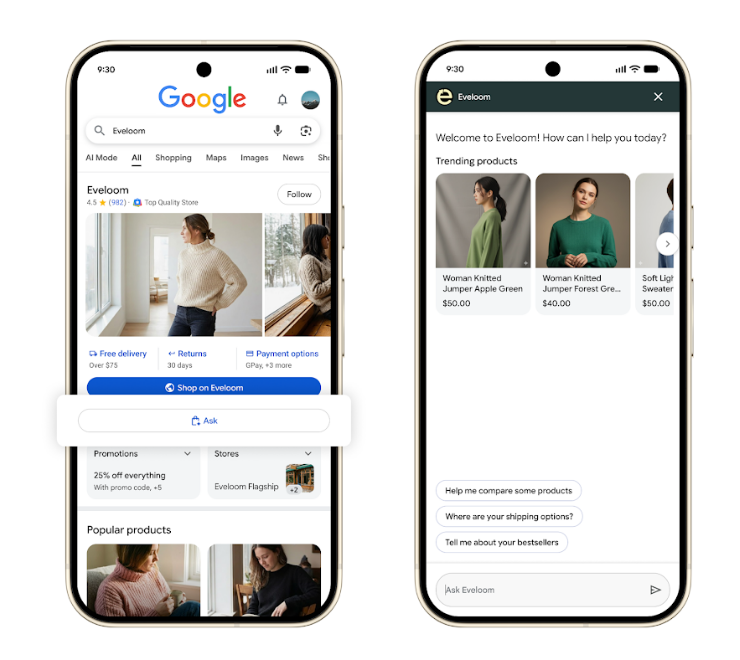
Bonus tip: Consider activating the GMC Business Agent within your Google Merchant Center account. The Business Agent uses AI and data provided by your shopping feed and website to let shoppers chat with your brand directly on Google Search. Acting as a virtual associate, it answers product questions in your brand’s voice and helps customers at key moments in their shopping journey to drive sales. This is another feature worth testing to enhance the conversational experience of your online Google storefront.
Google Ads Is An Influencer Platform Now
Influencer content has become a big part of marketing, and it’s easy to see why. Shoppers want to feel confident about what they’re buying, especially when choosing a gift. Seeing someone demonstrate a product, explain its features, and answer common questions can make that decision easier. A creator who knows the category can bring details to life that a product photo or short ad simply can’t.
Influencer content isn’t just for Meta and TikTok. In one robust test, we saw influencer creative drive an in-feed view rate 100% higher compared to brand-led content. That same test resulted in a 170% jump in YouTube Shorts view rate for YouTube Shorts ads when using influencer content. Customers appeared more likely to engage with content generated by a fellow consumer, giving you a nice potential boost to performance.
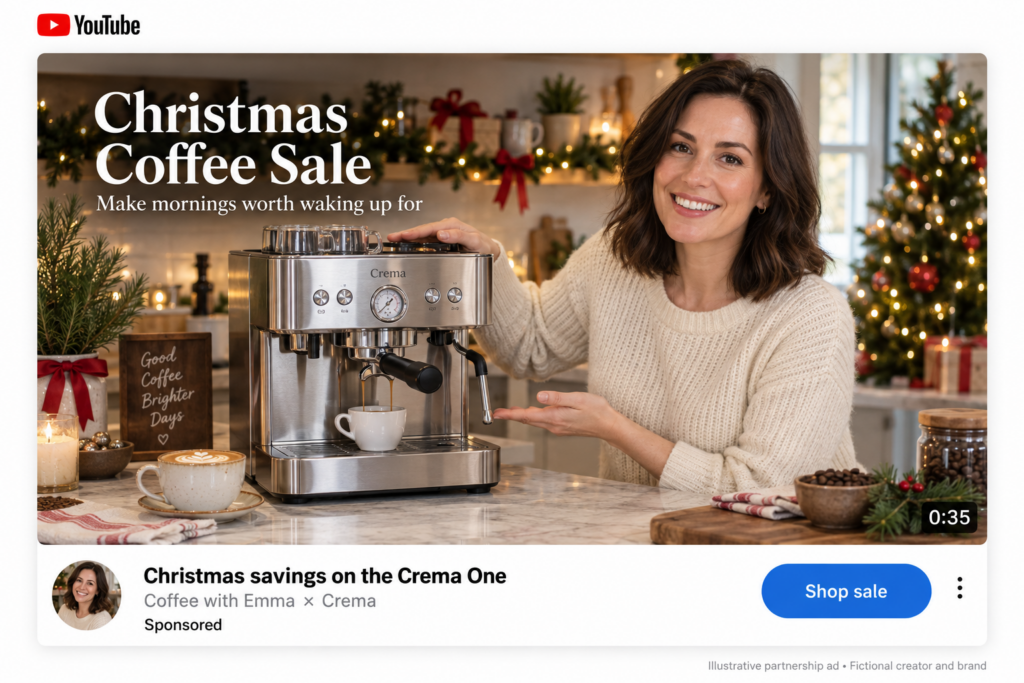
Adding creator videos to your e-commerce Google Ads strategy gives you another way to introduce products and help shoppers decide whether they’re a good fit. For example, a coffee machine brand could work with a creator who reviews brewing equipment to show how the machine fits into a morning routine. We recommend choosing creators based on their relevance to your customers and the quality of their content.
Google’s YouTube Creator Partnerships hub makes finding those creators easier, with broader access to its discovery tools introduced in June 2026. In Google Ads, go to Tools → YouTube Creator Partnerships to search for creators, review available audience insights, and build a shortlist. Once you’ve found a good match, agree on the content, fees, and paid usage rights. Give the creator a clear brief covering your product and campaign goals, but leave room for their own delivery.
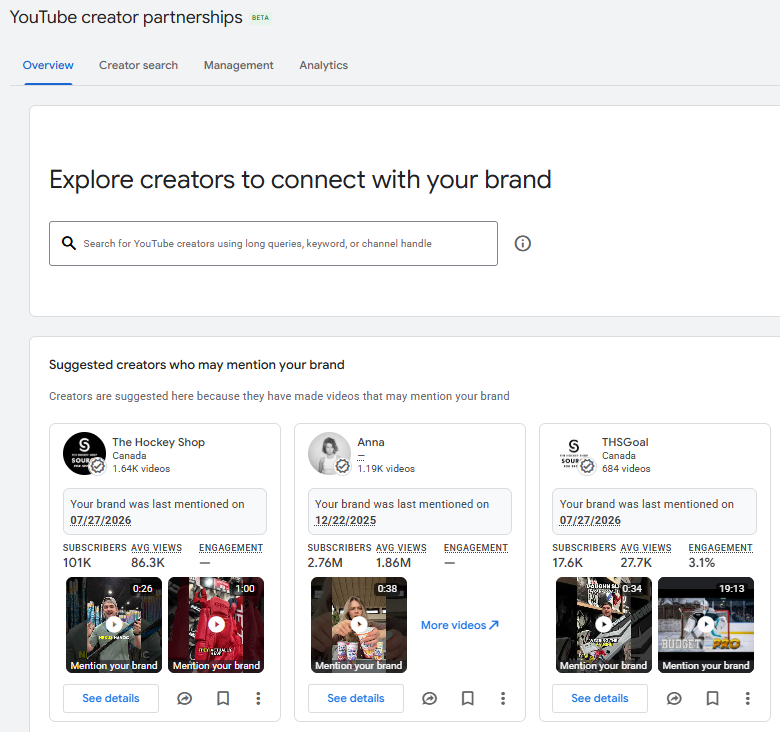
With the video linked to your Google Ads account, Creator Partnerships boost lets you run it in Demand Gen and Video campaigns, extending its reach beyond the creator’s organic audience. This is a unique offering: to run ads from an influencer’s account (not yours), so it feels less like an advertisement and more natural.
For the holidays, start with demonstrations and gift ideas before introducing creative featuring your sale. Test the videos alongside your existing ads before Black Friday, and include creator fees when evaluating performance. This gives you time to learn which content deserves more of your holiday budget. We’ve seen the best holiday performance in e-comm when scaling up awareness spend to build demand around Sept-Oct, so get started now!
Campaign Total Budgets Are Perfect For Holiday Launches
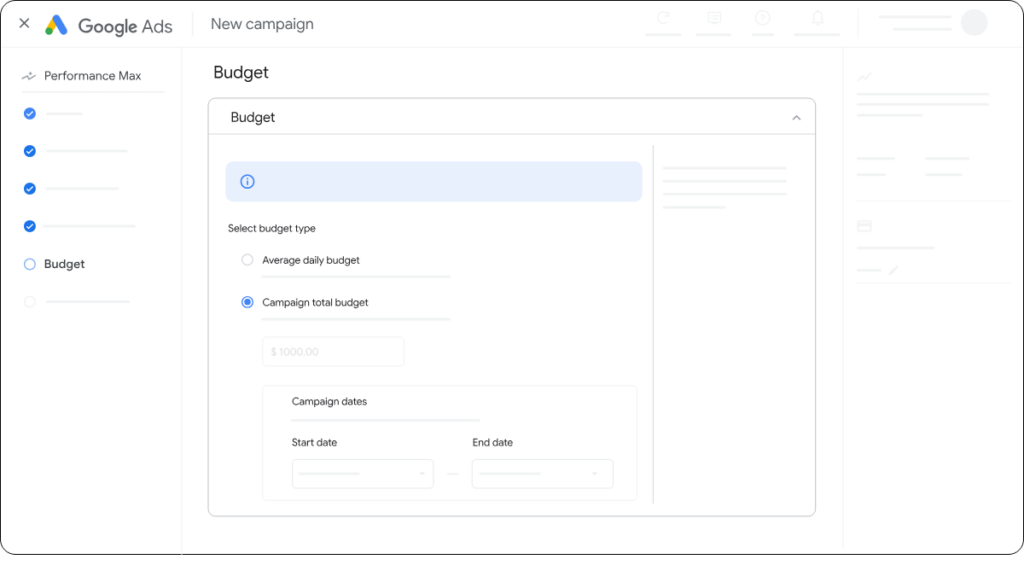
In 2026, Google announced a new feature- campaign total budgets for Search, Shopping, and Performance Max. This is perfect for the holiday season, when you’re likely launching new promotional campaigns, which makes budget pacing even more crucial. Campaign total budgets can help manage spend across a defined period in Search, Shopping, or Performance Max, in order to flight budgets effectively. Previously, this feature was only available for awareness-focused campaigns, and, for years, we loved using this feature to give flight to creative-based launches. It makes it super easy to manage budgets and make sure nothing overspends (and we know how awareness campaigns in Google love to spend). Now it’s available for conversion-focused campaigns- perfect for the holidays.
Recover Missing Conversion Data With Google Tag Gateway
Before increasing your holiday budget, make sure your campaigns are getting credit for the sales they generate. Missing conversion data can make a productive campaign look less effective and leave Smart Bidding with fewer purchases to learn from. Google Tag Gateway helps by loading Google’s measurement tags and routing events through your own website domain. This makes measurement less dependent on requests sent directly from a shopper’s browser to Google’s domains.
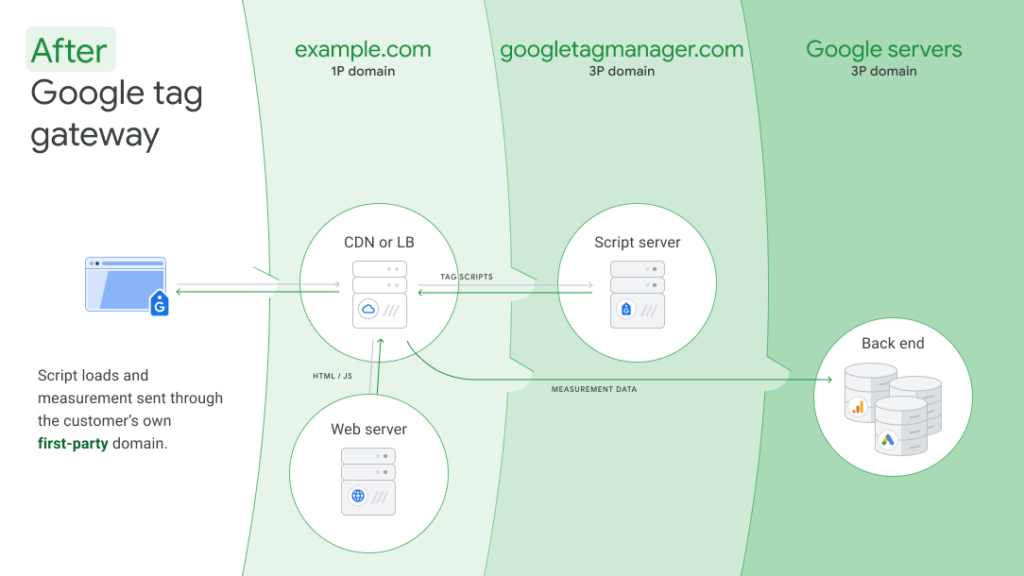
Google reports an average 14% increase in observed conversions among advertisers adopting Gateway. While Gateway launched in 2025, 2026 development expanded integrations that make implementation easier across more website platforms and infrastructure providers- perfect for most businesses. We’ve found that most clients are able to activate Gateway within 15 minutes, especially if they use Cloudflare or another supported CDN (content delivery network). Google has a useful tool here which you can use to access your setup path.
We recommend implementing and validating it before the holiday rush. Check purchase values and duplicate transactions, compare reporting with your actual orders, and record the implementation date. If reported ROAS improves afterward, you’ll want to understand how much came from better tracking before increasing your targets or budget.
Set Aside Budget to Test New Advertising Platforms
October is a great month to test expansion tactics- if they work, you’re in good shape to capitalize in November-December. In 2026, ChatGPT ads and Apple Maps ads offer two different opportunities worth considering. Both platforms are search-oriented (think mid-to-bottom funnel), and adopting early can lead to more affordable CPCs and efficient performance.
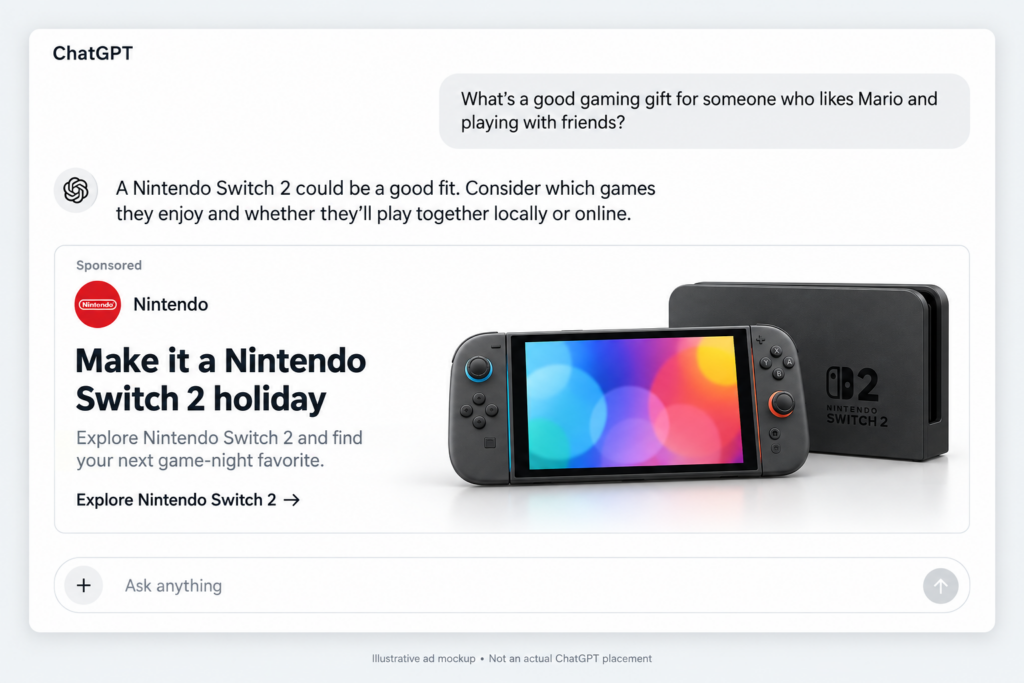
ChatGPT ads can reach people while they research products, compare options, and work through their buying decision. Ads appear below responses, and delivery considers the conversation’s context, alongside your ad and landing page. For a holiday campaign, we recommend testing a specific buying need, such as gifts for a beginner runner, with a page that helps someone choose an appropriate product.
Early testing across a handful of accounts showed that ChatGPT ads can drive a similar CPM ($25) to YouTube, while delivering a CPC that’s comparable to Google Ads ($2-$4). We recommend treating ChatGPT as an upper-to-mid-funnel strategy, delivering awareness and consideration metrics as its primary KPI. ChatGPT has conversion tracking and will likely deliver a small amount of sales volume, so it won’t contribute to ROAS in the way a Google Shopping campaign can.
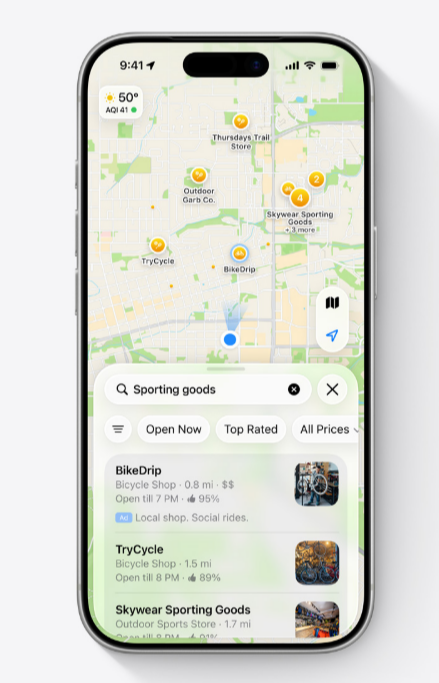
Apple Maps ads are highly relevant for retailers with physical locations. Ads can appear in search results and Suggested Places within Apple Maps, helping you get discovered when someone is looking for a local business. For the holidays, this could be worth testing due to increased demand for local gift shopping. Start by making sure your business listing, holiday hours, and photos are accurate on Apple Maps, then launch your Apple Maps test.
Apple Maps has two ad placement types: Search Results and Suggested Places. Places serves based on audience targeting that you select, while Results serves based on keywords and other factors. After testing, we saw that a campaign with both enabled showed primarily Suggested Places ads, which naturally serve a higher-funnel purpose, as people who see those are in your core audience but aren’t necessarily actively searching for your business type. Results, on the other hand, serve a lower-funnel purpose as they match customer demand in real time, similar to a Google search ad. Except with Maps, the customer is likely ready to drive to a storefront location, which indicates increased conversion intent. We recommend segmenting out two campaigns per initiative, in order to track and serve these ad placements separately.
We recommend each test has a defined budget and a measurement plan before launch. For ChatGPT, evaluate purchases and acquisition costs using their pixel tracking. For Apple Maps, track cost-per-tap or cost-per-action closely. Keep enough budget behind your established campaigns while you learn whether these new platforms can bring in additional customers at an acceptable cost.
In Summary
We hope these 2026 updates helped you get up to speed on recent Google Ads updates. These are the hottest industry tactics to try ahead of Q4 to dominate this holiday season. Want help preparing your holiday PPC strategy? We’re happy to dig in and discuss how to optimize your spend across channels. Contact us through the form below, or connect with us on LinkedIn to start the conversation.