

Google has been pushing Performance Max over Shopping campaigns ever since its introduction. Between the optimization score boosts tied to switching and the steady rollout of new control features, it’s hard not to wonder whether Google is paving the way for Performance Max to fully replace standard Shopping.
In this post, we’ll look at how Google has improved Performance Max, discuss its shortcomings in comparison to current Shopping campaigns, and cover what to do if shifting to Performance Max becomes a requirement.
Google Shopping Ads vs. Performance Max: Can Performance Max Reasonably Replace Shopping Campaigns?
| Feature | Shopping Ads | Performance Max |
| Bidding Control | Manual | Automated/AI |
| Channels | Google Shopping | Search, Google Shopping, Display, YouTube, Discover, Maps |
| Optimization | Bid and product level | AI-driven |
| Best for | Specific product visibility | Full-funnel conversion growth |
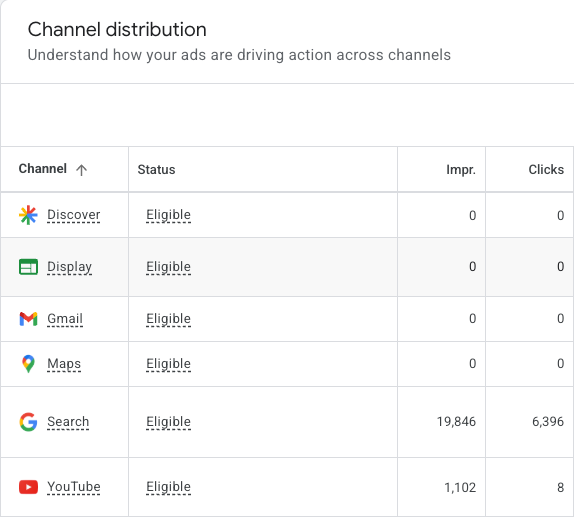
Historically, the main benefit of Shopping over Performance Max was the level of control marketers have over placement allocation. While Google has recently added a Channel Performance tab that shows individual channel performance for Performance Max campaigns, budget allocation still can’t be controlled at the channel level.
Google’s reasoning for this is their AI-driven model. This optimization strategy is supposed to drive shoppers down the funnel by introducing them to the product and brand via display and video assets. This full-funnel, all-in-one campaign model is what gives Performance Max its “edge” over traditional Shopping campaigns.
However, this isn’t always the case. There have been instances where the algorithm focuses effort toward the most successful channel and abandons the others, including Shopping ads.
Another Performance Max nuance: If you have a large and/or diverse product inventory, you will want to create different asset groups or campaigns that are tailored to each of those products—and different creative assets (display, video, and ad copy) that speak directly about the product. Having a strong creative or PPC team to help develop these assets will put you at a greater advantage. In fact, it now feels nearly required to remain competitive.
How Is Google Trying To Improve Performance Max?
Google will need to make some necessary improvements before Performance Max can reasonably replace Shopping campaigns. First, they should prioritize a more equal channel distribution or control of channel distribution to ensure Shopping placements aren’t cannibalized by other placements, even if it isn’t the most efficient channel. Google must also improve their AI creative asset tools. They are rapidly making progress on these fronts, but it’s important they sustain reliability and do not allow their AI tools to relapse in functionality.
So, what is Google doing to fix these issues?
1. Channel-Level Reporting Signals Upcoming Performance Max Spend Allocation Changes
Google’s recent rollout of channel-level reporting in Performance Max exposed an important reality: Even with strong creative assets, spend distribution across channels has been anything but even. The timing of this feature feels intentional. By giving advertisers a clearer view into how inventory is actually being used, Google appears to be preparing the ground for improvements to its allocation engine, and wants us to be able to see the before and after impact.
Why would Google expose these inefficiencies ahead of a major update? They have been under sustained pressure to provide more transparency in Performance Max, so offering this visibility now suggests that meaningful changes are on the horizon. Hopefully, those changes result in improved channel traffic allocation with possible control features, such as setting a percentage of your ad spend to go to a certain channel, or designating high- and low-priority channels.
2. Google’s AI Ad Creative Tools Are Rapidly Improving Asset Production Quality
Google’s AI-driven creative tools for ads have become a useful fallback for advertisers who need assets quickly. While the system still lacks the nuance and interpretive ability of a human designer, its progress has been noticeable. Early versions struggled with even simple directional prompts, but recent iterations can generate far more realistic product imagery, even adding contextual details that previously required manual editing.
3. Google Is Positioning AI as a Scalable Creative Assistant for Advertisers
A discerning viewer can still spot AI-generated elements in creative assets, but most consumers aren’t scrutinizing ads at that level. The broader debate centers on whether large brands should rely on AI when they have the resources to hire creative talent, a controversy that doesn’t carry the same weight for smaller advertisers.
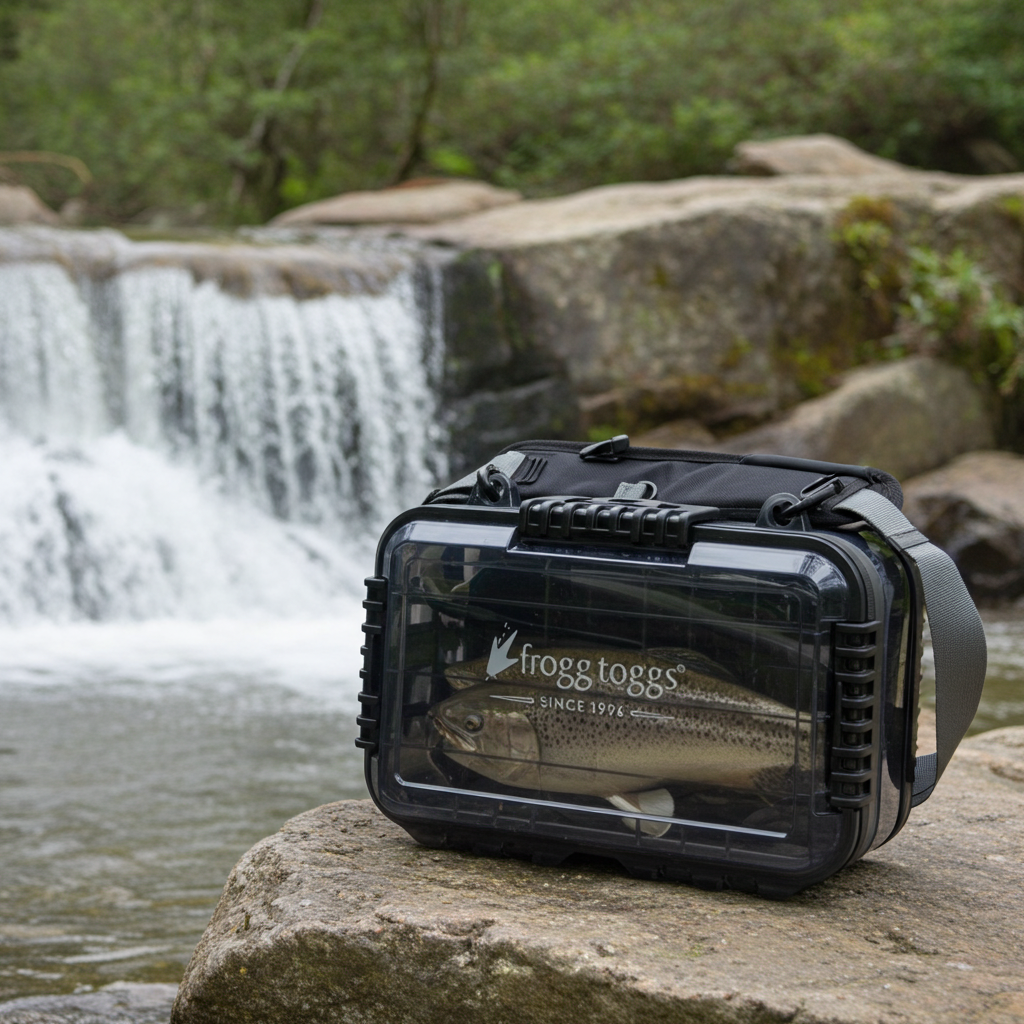
Regardless of how public sentiment evolves, Google is clearly positioning its AI as a full-fledged creative production assistant, and the tech’s rapid improvement signals that this role will only expand. Below are some better AI images Google created. However, one of these images has a somewhat silly error. See if you can spot it!


4. Search Themes Give Performance Max More Control Than Traditional Shopping Campaigns
Google has been slowly adding Shopping features—such as brand exclusions and new customer bidding—to Performance Max. Now, they have also begun to introduce features not available on Shopping to entice marketers to switch to Performance Max.
The ability to add “search themes” has given Performance Max an advantage over traditional Shopping by allowing advertisers to include search suggestions beyond feed-optimized keywords. You can add keywords that you wouldn’t be able to add to your feed, such as tangential or trademarked keywords, to these search themes.
Shopping campaigns rely only on the feed for visibility on the SERP. While Performance Max still utilizes feed data for its Shopping ads placements, search themes give marketers another layer of influence to reach their target audience. They are the exception—and an example of where Performance Max gives more control compared to a traditional Shopping campaign.
So, Can Performance Max Reasonably Replace Shopping Campaigns?
In short, no. Google has not improved Performance Max enough to reasonably replace Shopping. However, they are taking clear steps in that direction. The goal seems to be to make Performance Max a viable strategy for businesses of all sizes. The product has evolved quickly since its 2021 debut, and Google’s recent moves strongly suggest that the unification of Shopping under Performance Max is less a question of “if” and more a matter of timing. Marketers who build a disciplined, robust strategy around PMax today will be the ones best positioned when Google ultimately makes that transition official.
Running into roadblocks with your Performance Max results? Eight Oh Two has the solution. Our proven strategies and innovative technology will help you expand your reach and maximize your efficiency. Contact us today to learn more.